Buffalo Rebbe Ohel | Visitors Information | אוהל באפלו
The Buffalo Rebbe’s Ohel, also known as the Buffalo Tzion or Buffalo Kever (אוהל באפלו), is the sacred Kever (resting place) of the Tzaddik, Rebbe Eliyahu Yosef Rabinowitz — the first Chassidic Rebbe buried in the United States. It’s located in Pine Ridge Cemetery, Buffalo, New York.
Buffalo Rebbe Eliyahu Yosef Rabinowitz Ohel אוהל, קבר וציון רבי אליהו יוסף רבינוביץ האדמו”ר מליניץ סלאוויטא באפאלו
Yahrzeit 5786 – י”ג חשון
November 4, 2025
24-Hour Hachnosas Orchim Accommodations and hospitality will be available around the clock, just down the block from the Ohel.
Mikvah Open from 2:00 AM to 4:00 PM. Towels will be provided. Cost: $10 📍 Mikvah Address: 1019 Maple Ave, Buffalo, NY 14221
Shacharis – Speical tent down the block Minyanim every half hour — at :00 and :30.
Mincha & Maariv – Speical tent down the block Minyanim every 15 minutes — at :00, :15, :30, and :45.
Buffalo Rebbe Ohel Location:
Address: 📍 645 Pine Ridge Heritage Blvd Cheektowaga, NY 14225 United States
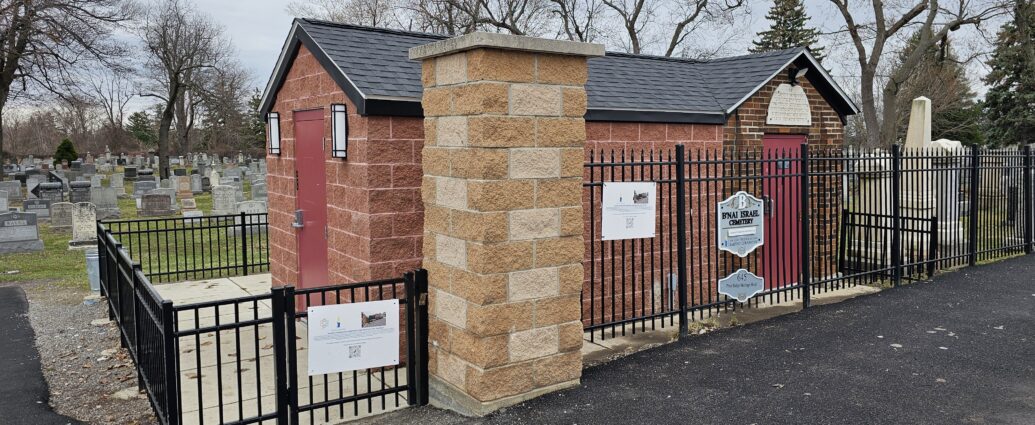
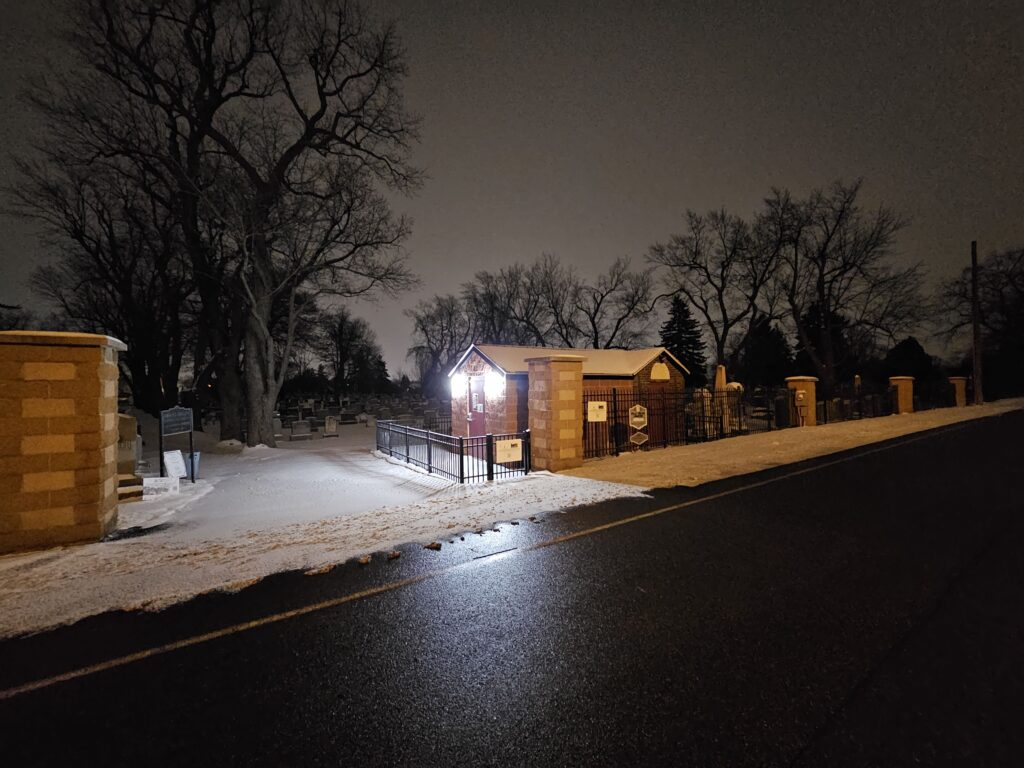
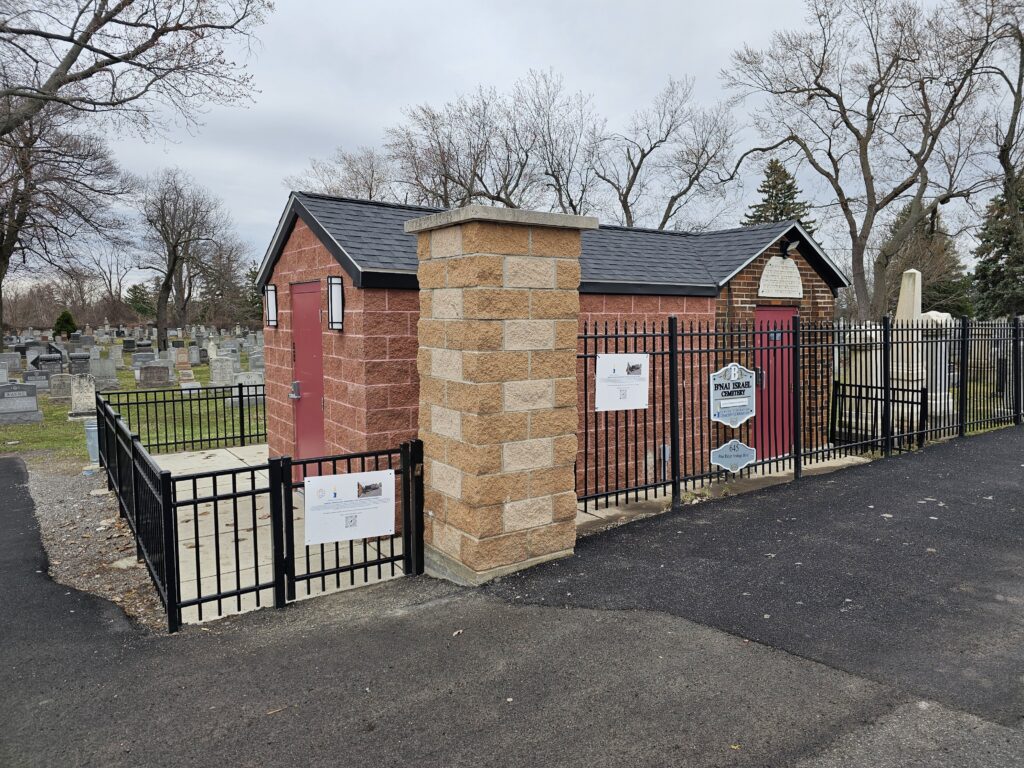
The Buffalo Ohel (אוהל באפלו) is located at the corner of Pine Ridge Road and Maryvale Drive, within the entrance area of B’nai Israel Cemetery, part of the historic Pine Ridge Heritage complex. This sacred site, also known as the Buffalo Tzion (באפלו ציון), is the Kever of the Tzaddik, Rebbe Eliyahu Yosef Rabinowitz, the first Chassidic Rebbe buried in the United States. It honors his legacy, holiness, and the enduring light of his spiritual teachings.
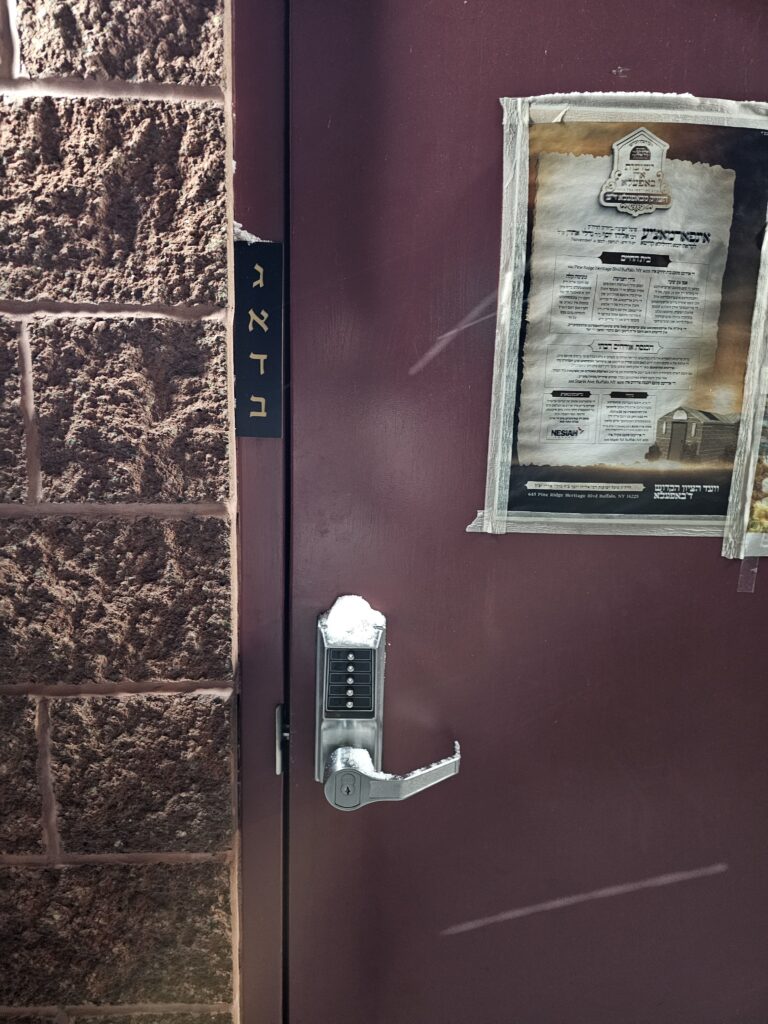
The Ohel is open 24 hours a day, seven days a week, welcoming all who wish to daven, meditate, or connect spiritually. The entry code is discreetly posted in Alef-Beis (Hebrew letters) on the door.
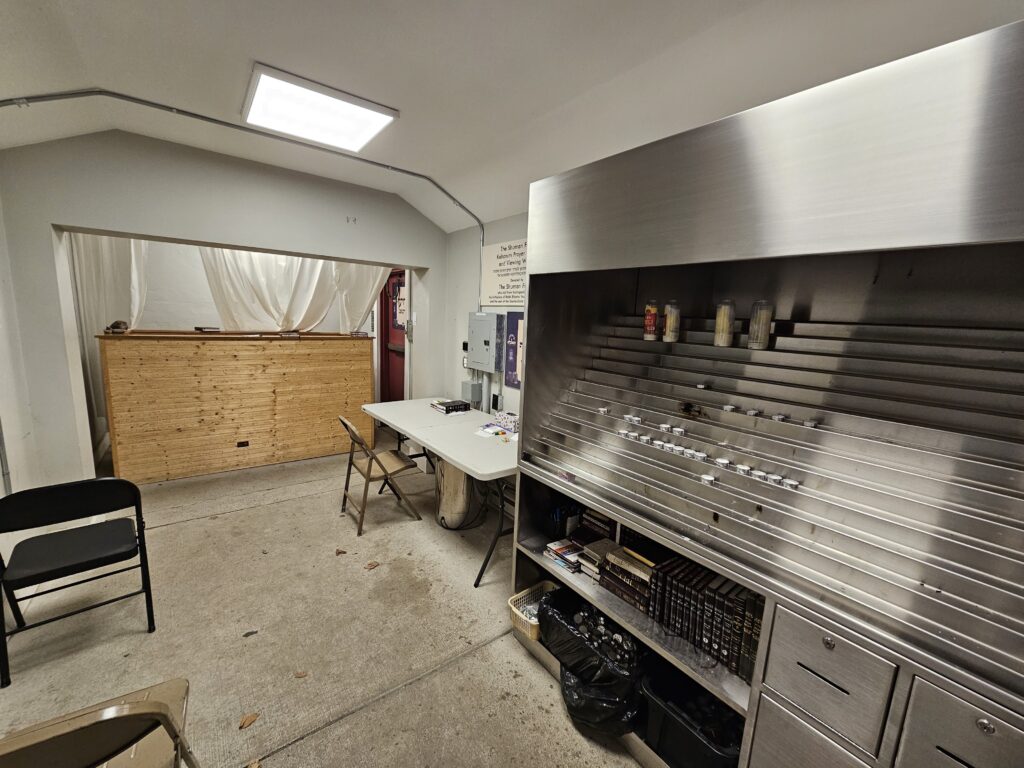
Visitors are encouraged to bring a kvitl (personal prayer note), light a candle in memory of the Tzaddik, and experience the serene and uplifting atmosphere surrounding his Kever, which continues to inspire generations. Whether visiting for personal prayer, reflection, or to honor the history and holiness of the Buffalo Rebbe, the Buffalo Ohel remains a cornerstone of spiritual life in Buffalo.
Buffalo Rebbe Tzion
Directions to Buffalo Rebbe’s Ohel – Buffalo Tzion/Kever
From Route 33 East (Kensington Expressway): Take the Pine Ridge Road exit and turn right. The cemetery with the Buffalo Ohel (באפלו ציון) is the first on your left.
From I-290 East: Take I-90 West to exit 51W for Route 33 West.
From I-90 East or West: Take exit 51W for Route 33 West.
From Route 33 West: Take the Harlem Road exit, turn left at the bottom, drive under the highway, then turn right onto Maryvale Drive. The cemetery is on your left at the corner of Pine Ridge Road.
The Buffalo Rebbe’s Ohel is a small brick building along the cemetery fence nearest Pine Ridge Road. The Hebrew entry code is posted on the Ohel entrance.
About the Buffalo Rebbe – Rebbe Eliyahu Yosef Rabinowitz
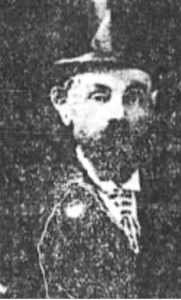
Rebbe Eliyahu Yosef Rabinowitz, known as the Buffalo Rebbe, emigrated from Russia to the United States in 1899, initially settling on New York’s Lower East Side. In 1910, he moved to Buffalo, New York, where he became the spiritual leader of the Jefferson Street Shul.
He was the brother-in-law and chavrusa (study partner) of the revered Rebbe Mordechai Dov of Hornisteiple. The Buffalo Rebbe, a true Tzaddik (צדיק) and spiritual luminary, is widely regarded as the first Chassidic Rebbe buried in the United States, making the Buffalo Ohel (אוהל באפלו) and his Kever (קבר) a site of deep historical and spiritual significance.
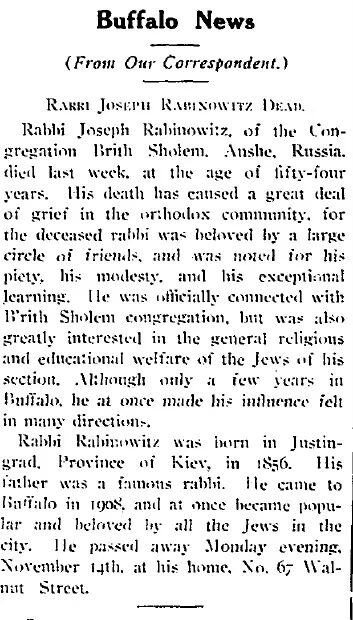
The Buffalo Tzion (באפלו ציון), within Pine Ridge Cemetery, is the Kever of the Tzaddik (קבר הצדיק) — Rabbi Joseph (Eliyahu Yosef) Rabinowitz (b. circa 1856, d. November 14, 1910, Buffalo). Though sometimes associated with Ahavas Sholem Cemetery, the Buffalo Ohel stands in its own sacred space at the entrance to B’nai Israel Cemetery, surrounded by graves from many congregations and landsmannschaften, reflecting Buffalo’s rich Jewish heritage.
Originally from Sokolivka (Justingrad/Yustingrad), modern-day Ukraine, Rabbi Rabinowitz immigrated to New York City before settling in Buffalo in 1908. There, he dedicated his rabbinic life to strengthening traditional Jewish observance and fostering spiritual growth across the community. His Kever continues to serve as a beacon of holiness and inspiration, drawing visitors who seek the blessings and merit of this Tzaddik.
Legacy of the Buffalo Rebbe
The Buffalo Rebbe, Rebbe Eliyahu Yosef Rabinowitz, was a descendant of the distinguished Linitz–Slavita Chassidic dynasty, tracing his spiritual lineage to some of the earliest disciples of the Baal Shem Tov, the founder of the Chassidic movement. Among his ancestors were the Tzaddik Rav Pinchas of Koritz (ר׳ פינחס מקוריץ) and Rav Gedaliah of Linitz (ר׳ גדליה מליניץ) — both of whom are cited in the early Chassidic work Shivchei HaBesht, which records the teachings and wonders of the Baal Shem Tov and his disciples.
Steeped in this sacred heritage, Rebbe Rabinowitz carried the inner fire of the early Chassidim to the shores of America, bringing with him the warmth, faith, and emunah peshutah (simple, pure faith) that characterized the first generations of Chassidus. He became a spiritual pioneer, establishing one of the first centers of Chassidic inspiration in the United States at a time when Jewish life in America was still finding its footing.
In Buffalo, the Rebbe devoted himself to strengthening Jewish life, Torah study, and community unity. As the spiritual leader of the Jefferson Street Shul, he served not only as a Rav and halachic authority but also as a Tzaddik who offered guidance, blessings, and comfort to those in need. His compassion was legendary — particularly his halachic efforts to assist agunot (women unable to obtain a get), where he displayed both courage and deep Torah scholarship. His rulings and writings reflected a rare blend of Chassidic warmth and halachic precision.
Before leaving Ukraine, Rebbe Eliyahu Yosef was a close chavrusa (study partner) and brother-in-law of the Hornosteipler Rebbe, Rav Mordechai Dov Ber Twerski, a scion of the great Chernobyl–Twerski dynasty. This connection further rooted him in the spiritual current of the Baal Shem Tov’s students. From this same dynasty emerged generations of Chassidic leaders who would later establish thriving Chassidic communities across America — following in the pioneering footsteps of the Buffalo Rebbe, who had laid the groundwork decades earlier.
The Buffalo Rebbe’s Kever (קבר הצדיק) in Pine Ridge Cemetery stands today as a beacon of holiness and inspiration. Thousands have come to his Ohel (אוהל) seeking blessings, healing, and guidance through prayer at the resting place of this Tzaddik. Visitors continue to feel the spiritual energy of a soul that remains deeply connected to those who approach with sincerity and faith.
More than a century after his passing, the legacy of Rebbe Eliyahu Yosef Rabinowitz continues to illuminate the path of American Chassidus. His Kever reminds us that holiness is not limited by time or geography — that even in the early 1900s, amid the challenges of Jewish life in America, a Tzaddik could plant seeds of faith and warmth that continue to grow and inspire future generations.
🕍 Visiting the Buffalo Rebbe Ohel – Buffalo Tzion
Visiting the Buffalo Rebbe’s Ohel (Buffalo Tzion) is a meaningful experience, and following proper guidelines ensures respect for this sacred site:
Take Your Time: Spend a few quiet moments in reflection, prayer, or study. Many visitors find the Buffalo Tzion a deeply inspiring and spiritually uplifting place.
Bring a Kvitl (Prayer Note): Many visitors write personal prayers or requests on small slips of paper (kvitlach) and place them in the Buffalo Ohel in honor of the Buffalo Rebbe.
Modest Dress: Out of respect for the holy site, visitors are encouraged to dress modestly. This is especially important for those entering the Buffalo Tzion.
Respectful Behavior: Maintain a quiet, contemplative atmosphere. The Buffalo Ohel is a place of prayer and reflection for all who visit.
Lighting Candles: Candles may be lit in designated areas at the Ohel.
Access Code: The Ohel door uses a code written in Alef-Beis (Hebrew letters). Please follow instructions carefully to enter respectfully.
Open 24 Hours: The Buffalo Ohel is open day and night, allowing visitors from near and far to connect with the legacy of the Buffalo Rebbe at any time.
Title: “The Buffalo Rebbe” | Location: Buffalo, New York | Date: November 25, 1910